








Got a question? We're happy to help
033039030591.28 million homes are affected. We explore the causes, the worst-hit cities, and expert advice on how to protect your property.
Damp and mould are widespread across UK homes. According to the most recently released government data, 5% of homes are affected by damp, with some people and locations being harder hit than others. When applied to the number of dwellings in the UK, this amounts to 1.28 million affected homes.
With the UK’s wet climate and older homes, combined with rising heating bills and increasing home repair costs, it’s no surprise that dampness is a concern for so many. From understanding what damp is and how it forms, to learning how to prevent and treat it, homeowners and renters alike are looking for solutions online. In fact, our research found that there are, on average, 873,000 annual searches for advice on damp and mould in the home (across 30 related search terms).
To highlight the scale of the issue further, we’ve analysed search data and gathered expert insights to identify the UK’s damp and mould hotspots - revealing that certain types of homes, demographics and locations are more vulnerable than others, with a higher prevalence of problems.
Understanding where and why damp is most likely to occur is an important first step towards preventing it: protecting both homes and the people living in them. Left untreated, damp and mould can lead to structural damage as well as long-term health problems for those living in affected properties. This is why maintaining a warm, well-ventilated home is so essential to prevent damp from taking hold.
Damp is caused by excess moisture that builds up inside a property or by entering from outside. In the UK, there are four common causes of damp.
Damp and mould are among the most common housing hazards for residents, particularly where homes are cold or poorly ventilated, as this boosts moisture levels, encouraging growth such as mould on the walls or black mould in bedrooms, for example.
Living in these conditions doesn’t just cause unsightly patches or peeling paint; it can have a serious impact on occupants’ health and wellbeing. Mould is a fungus that grows in damp, humid conditions. Exposure to mould spores is linked to a range of health problems, from respiratory issues and asthma flare-ups to infections and deteriorating mental health, with children, the elderly, and those with pre-existing conditions being particularly at risk.
The NHS is estimated to spend around £1.4 billion annually on illnesses associated with cold, damp and mouldy homes, while wider societal costs, including lost productivity and care, may exceed £15 billion per year. Making this an economic issue, not just a health one.
There are inequalities when it comes to exposure to damp and mouldy homes, with the following groups being most at risk,
People from the lowest income groups are almost twice as likely to live in homes with damp or mould and four times as likely to live in cold homes compared to those in higher income brackets, according to data from Health Equals. This illustrates how housing quality gaps mirror wider social and economic inequalities across the UK.
Low-income renters, particularly in the private sector, report high levels of damp and mould, and almost half (47%) of households with these issues have children living in them. This is something that new legislation, such as the Awaabs Law and the Renter’s Rights Bill, have been brought in to help combat, alongside a range of rental issues.
Government figures also reveal that those with minority ethnic backgrounds are more likely to have damp problems within their homes. In Black Caribbean and Mixed White households, there is a 22% prevalence of damp, compared to just 4% of White British households.
Existing reports also highlight regional differences across the UK, and so to explore this further, we analysed Google search data, identifying which UK cities are actively searching for advice on how to deal with damp and mould problems.
Focusing on the UK’s 20 most populous cities, we examined search volumes across 30 key damp and mould-related terms. The data was then standardised to show the average number of monthly searches per 1,000 residents, allowing for fair comparison between cities.
Based on monthly Google search volume per 1,000 residents. Larger circles = Higher total volume.
Leeds has been named the UK damp homes hotspot, seeing the highest volume of monthly searches for related terms and solutions on Google. There are on average 4,451 searches per month, including key terms such as “damp walls”, “penetrating damp” and “mould remover”. This equates to almost 9 (8.6) searches for every 1,000 residents in the Yorkshire city.
Bristol and Liverpool both show high levels of searches for damp solutions. Bristol had a higher number of searches than Leeds, at 4,930 average monthly searches. However, Bristol’s population is also greater than Leeds’, so when standardised, the rate is 6.8 searches for every 1,000 residents. In Liverpool, there are an average of 4,413 searches per month, which equates to 4.8 searches per 1,000 people in the city.
To help implement this guidance, we asked our resident radiator and heating expert, Sam Carter, to share his top product recommendations to reduce the risk of damp in the home.

Our resident heating expert, Sam Carter, shares his top picks to reduce damp risk.
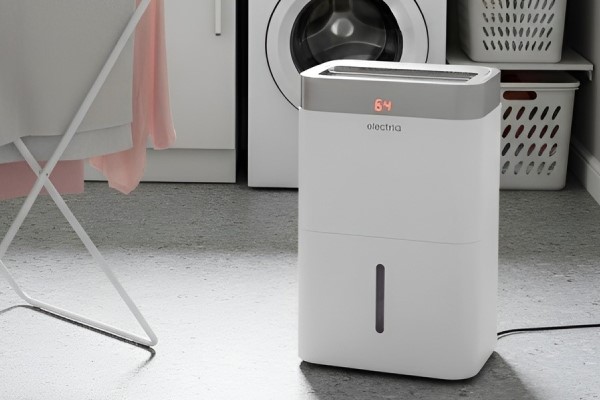
The award-winning electriQ Platinum range...
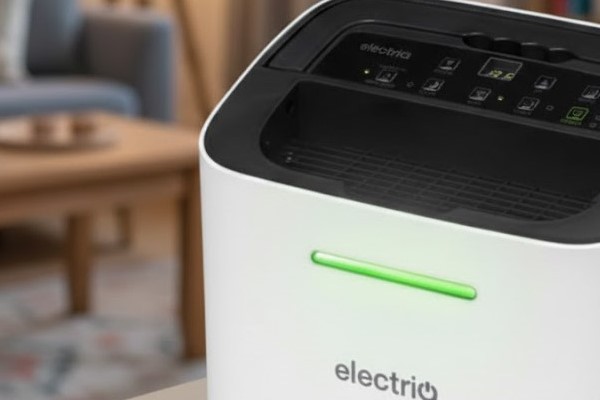
The electriQ Essential range...
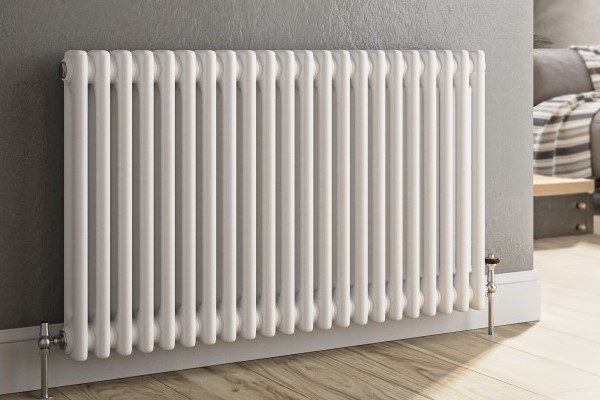
Central heating radiators are the gold standard...

Infrared heaters are one of the most effective options...
Even with all of the preventative measures above, you may still find yourself with a damp issue, so early detection is key. Common warning signs that your home may have damp include persistent condensation on windows or walls, especially in colder months, as well as musty or earthy smells that linger even after cleaning or airing out rooms. Other signs, such as discoloured patches, dark spots of mould, peeling paint or bubbling wallpaper, can also signal excess moisture.
In some cases, the first signs may be physical rather than visible, with residents noticing worsening allergies, asthma or breathing symptoms that improve when they spend time away from the property.
Spotting these early signs can help homeowners and renters take action before damp and mould become harder and more costly to resolve.
Alongside structural and aesthetic problems, damp can negatively impact the health and quality of life of residents within the home. With certain homes, cities and communities facing a greater risk than others, recognising the warning signs and acting early is crucial to preventing long-term damage, for both buildings and the people living inside them.
For further information from Appliances Direct read our helpful buying guides, how to articles or check out our extensive heating range.
—
Methodology:
Research into the Damp and Mould hotspots was conducted in December 2025...
| City | City population estimates | Monthly Google search volume for mould and damp terms | Monthly Google search volume per 1000 residents |
|---|---|---|---|
| Leeds | 516,298 | 4,477 | 8.7 |
| Bristol | 720,052 | 4,957 | 6.9 |
| Liverpool | 928,997 | 4,432 | 4.8 |
| Coventry | 454,584 | 1,876 | 4.1 |
| Edinburgh | 563,534 | 2,171 | 3.9 |
| Newcastle upon Tyne | 834,242 | 2,789 | 3.3 |
| London | 9,840,740 | 31,725 | 3.2 |
| Stoke-on-Trent | 396,812 | 1,205 | 3.0 |
| Cardiff | 495,378 | 1,502 | 3.0 |
| Sheffield | 756,783 | 2,018 | 2.7 |
| Birmingham | 2,832,580 | 5,480 | 1.9 |
| Middlesbrough | 397,527 | 690 | 1.7 |
| Bournemouth | 526,845 | 914 | 1.7 |
| Glasgow | 1,718,940 | 2,626 | 1.5 |
| Belfast | 651,982 | 895 | 1.4 |
| Leicester | 575,352 | 668 | 1.2 |
| Manchester | 2,704,620 | 2,891 | 1.1 |
| Brighton | 632,475 | 602 | 1.0 |
| Nottingham | 819,334 | 504 | 0.6 |
| Southampton | 966,741 | 328 | 0.3 |