








Got a question? We're happy to help
03303903059
The kit list for a restaurant kitchen that runs smoothly from first order to last.
Restaurants live and die by how the kitchen copes at its busiest.
Whether you are opening your first restaurant or refitting an existing one, this guide lists the equipment most restaurant kitchens need, stage by stage, and what to think about for each. Every menu is different, so treat it as a starting point and build around your dishes.
| Stage | Equipment | Why you need it |
|---|---|---|
| Cold storage | Upright fridges and freezers | Your main stock, organised by raw, cooked and ready-to-eat |
| Prep | Counter fridges, stainless tables, food prep machines | Prep close to where ingredients are stored |
| Cooking | Chargrills and griddles, fryers, ovens, hobs | Match the line to the dishes on your menu |
| Finishing | Salamander grills and microwaves | Glaze, melt and regenerate in seconds |
| Hot holding | Bain maries, hot cupboards, heated gantries | Keep sauces and plates hot and food on the pass at 63°C or above |
| Wash-up | Dishwashers, dishwasher sinks, glasswashers | Clean plates back to the pass before you run out |
| Hygiene | Hand wash sinks | A legal requirement, kept separate from food and pot sinks |
These are the restaurant staples our trade customers buy most, by type.
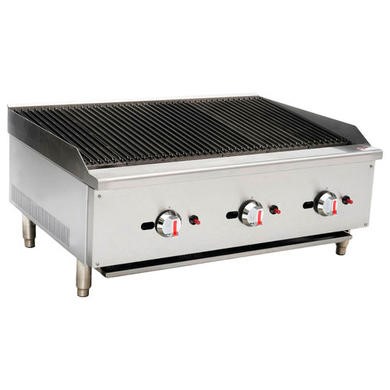
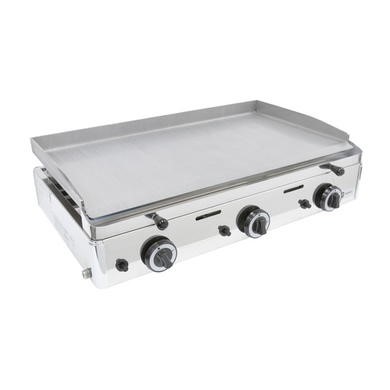
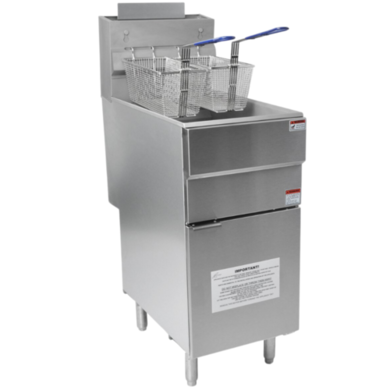
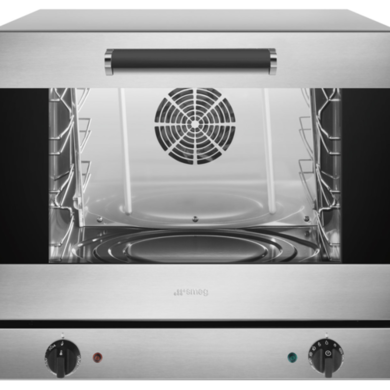
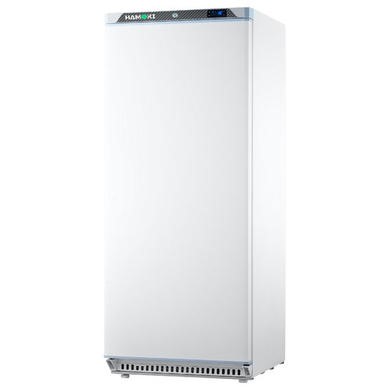
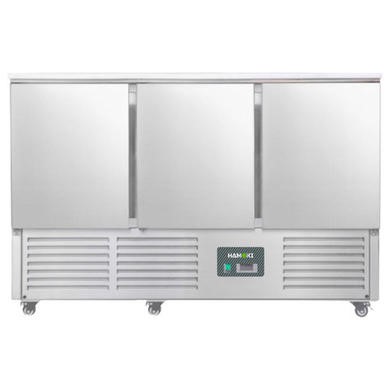
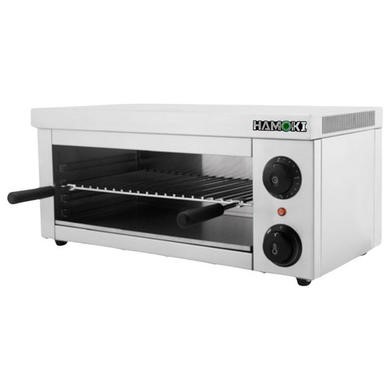
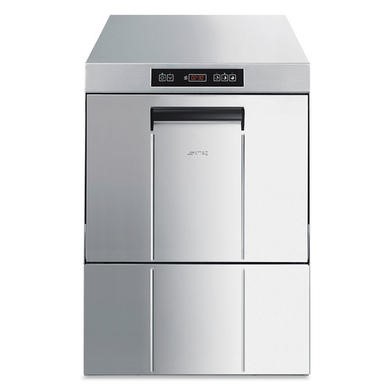
Lay out your kitchen so food moves in one direction: from storage, to prep, to cooking, to the pass. Dirty plates should come back on a separate route to the wash-up.
Put counter fridges under the cooking line so chefs can reach ingredients without leaving their station, and keep the wash-up close to the pass so clean plates return quickly.
A busy restaurant can run out of clean plates halfway through service. An undercounter dishwasher suits smaller restaurants; busier kitchens often choose a pass through dishwasher with a dishwasher sink and pre-rinse tap alongside.
If you have a bar, add a dedicated glasswasher so glasses do not compete with plates.
Most need upright fridges and freezers, counter fridges, prep tables, a cooking line matched to the menu (often griddles, chargrills, fryers and an oven), hot holding, a commercial dishwasher and a separate hand wash sink.
Many restaurants use gas for griddles, chargrills and fryers because it heats fast and recovers quickly. Electric is easier to install. Gas equipment must be installed by a Gas Safe registered engineer.
It depends on how often you take deliveries. Many small restaurants start with one or two upright fridges, a freezer and counter fridges on the cooking line.
Not always, but a salamander is useful for finishing dishes, melting cheese and glazing under high overhead heat.




