








Got a question? We're happy to help
03303903059
Everything you need to fit out a commercial kitchen, in the right order.
The right kit makes service faster, safer and cheaper to run. The wrong kit gets in the way every shift.
This guide walks you through a commercial kitchen in the order food moves through it: cold storage, prep, cooking, hot holding and wash-up. For each stage we explain what to look for, the questions to ask before you buy and the best-selling equipment our trade customers choose.
Opening a particular type of business? Jump to our guides for restaurants, cafés, pubs and bars, takeaways, hotels and canteens.
Write down every dish on your menu and how it is cooked. That list tells you which cooking equipment you need and how much cold storage it takes to supply it.
Then lay the kitchen out so food moves one way: from the fridge, to prep, to the cooking line, to the pass. Dirty plates come back on a separate route to the wash-up. It keeps raw and ready-to-eat food apart and stops staff crossing paths at the busiest moment.
Here are the core categories a commercial kitchen is built from. Each one links to the full range, and each has its own buying guide.
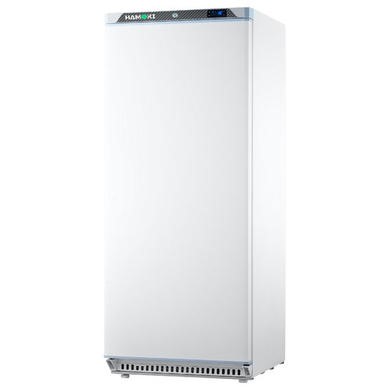
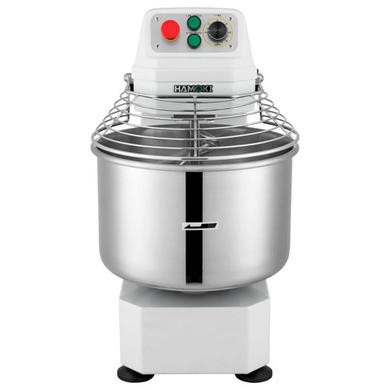
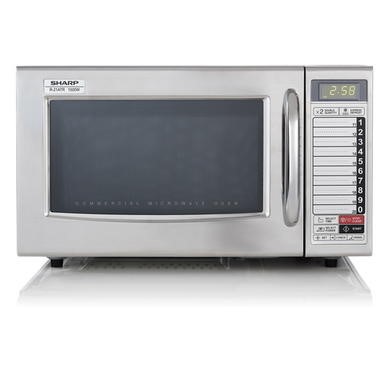
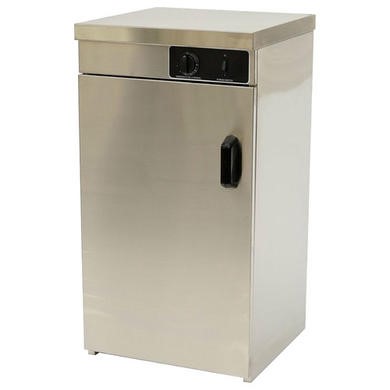
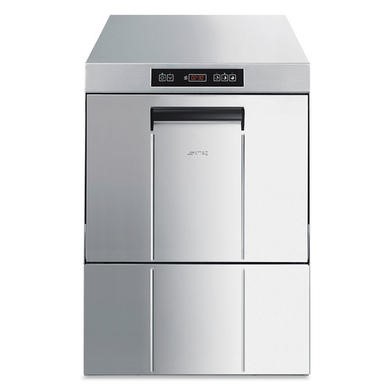
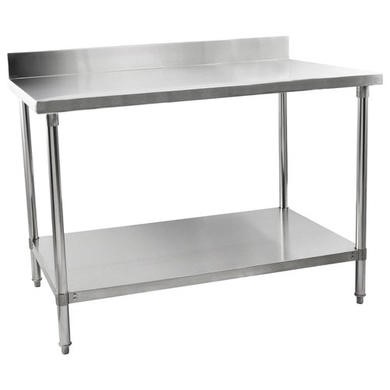
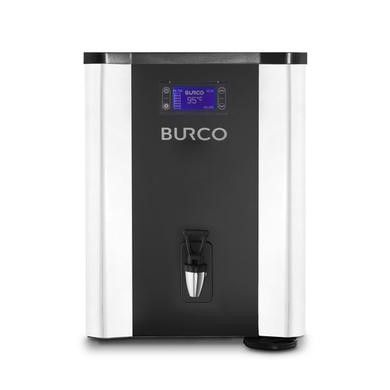
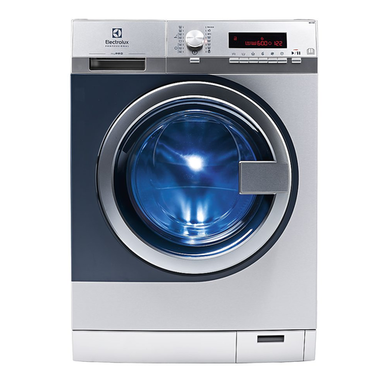
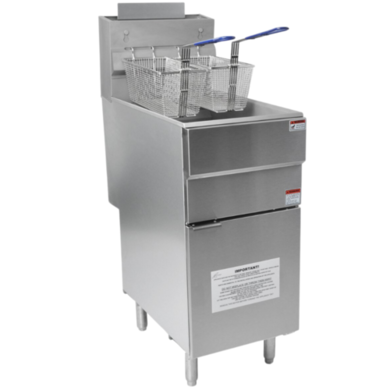
Many pieces of commercial cooking equipment come in gas and electric versions. Gas gives fast heat and quick recovery, which is why most high-volume fryers, griddles and chargrills are gas. Electric is easier to install, often plugs straight in and suits sites without a gas supply.
Look at the power source on every product page. Some electric equipment plugs into a standard 13 amp socket, some needs a 16 amp or 32 amp supply and some needs a three-phase supply. Your electrician can tell you what your building can take.
Domestic appliances are built for a family. Commercial equipment is built for a business.
Heavier components, stronger hinges and stainless steel bodies that are made to run through every service.
More power means equipment gets back to temperature quickly after each new load.
Smooth stainless surfaces, removable parts and fewer places for grease to hide.
Features like digital temperature displays help you keep the records your food hygiene inspection will look for.
In England, Wales and Northern Ireland the law says chilled food must be kept at 8°C or below, and most kitchens aim for 0°C to 5°C to give a safety margin. Hot food on display must be kept at 63°C or above. Your fridges, freezers and hot-holding equipment should make those numbers easy to hit and easy to check.
You can, but they are not designed for constant use, and heavy use can affect the manufacturer warranty. Commercial equipment is built for the hours and the cleaning a business kitchen needs.
Usually an upright or counter fridge, a commercial microwave, a panini or contact grill, a water boiler or coffee machine, a display fridge for the counter, a hand wash sink and an undercounter dishwasher or glasswasher. Our café equipment guide goes through it in detail.
It depends on your supply, your menu and your volume. Gas suits high-volume frying and griddling. Electric is simpler to install and many units plug straight in.
Gastronorm (GN) is a standard set of pan sizes used across commercial kitchens. A full-size GN 1/1 pan is 530mm by 325mm, and smaller sizes such as 1/2, 1/3 and 1/4 fit together inside that footprint, so pans move between fridges, prep counters, ovens and bain maries.




