








Got a question? We're happy to help
03303903059
Clean plates and sparkling glasses, fast.
When the wash-up falls behind, everything else stops.
Commercial warewashers clean a full basket in minutes and rinse at high temperatures for hygienic results. This guide explains the types and the features to check, from basket size to water treatment.
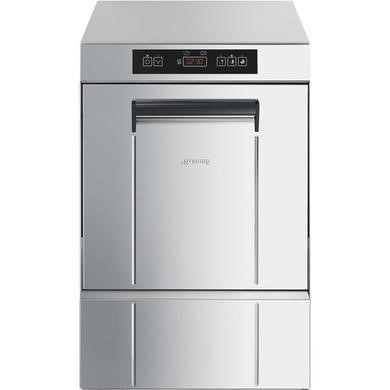
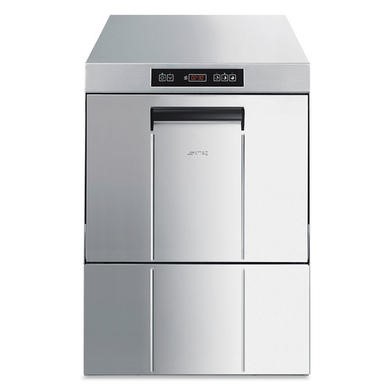
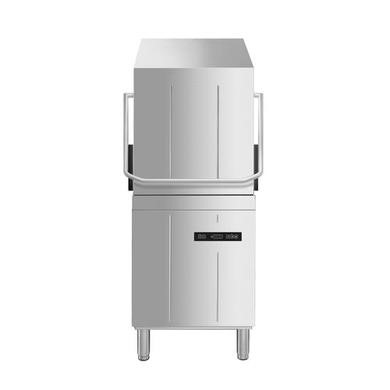
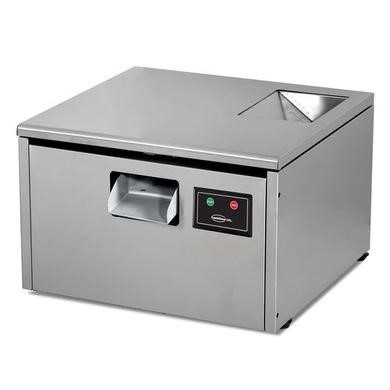
| Glasswasher | Undercounter dishwasher | Pass through | |
|---|---|---|---|
| Typical basket | Around 350mm to 400mm | Around 500mm | Around 500mm |
| Best for | Bars, pubs and cafés | Restaurants, cafés and staff kitchens | Busy restaurants, hotels and canteens |
| Where it goes | Under the bar | Under a counter | At the end of a dishwasher sink run |
| Power | Often 13 amp plug-in | 13 amp or hard-wired | Usually hard-wired, often three-phase |
Basket sizes vary by model. Check the basket size and the clearance height for your tallest glasses and plates on the product page.
In hard water areas, limescale builds up on elements and leaves glasses cloudy. A built-in water softener, or an external one, protects the machine and gives a better finish.
A drain pump lets the machine empty into a drain that sits higher than the machine. Without one, you need a drain below the level of the machine outlet.
Some can wash small plates and cups, but glasswasher baskets and clearance are designed for glasses. For plates and pans choose a dishwasher.
Commercial cycles are typically a few minutes rather than the hour or more of a domestic machine. Check the cycle times on the product page.
If you are in a hard water area, a softener protects the machine and gives a better finish. Some models have one built in.
Smaller glasswashers and dishwashers often plug into 13 amp. Larger machines and pass through models usually need a hard-wired or three-phase supply.




