








Got a question? We're happy to help
03303903059
Sinks, tables and shelving for a kitchen that is easy to keep clean.
Stainless steel furniture is what holds a commercial kitchen together.
Stainless steel is strong, does not absorb anything and stands up to hot water and cleaning chemicals, which is why food businesses use it for worktops, sinks and shelving. This guide covers what you need and how to plan it.
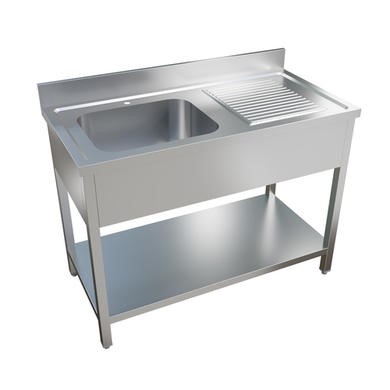
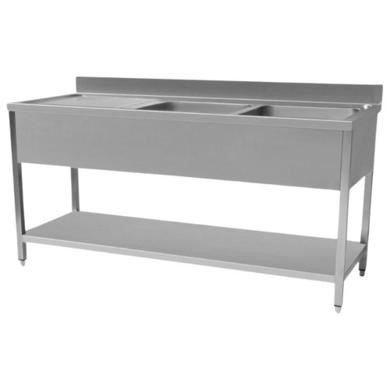
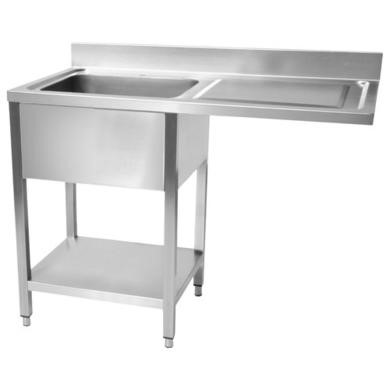
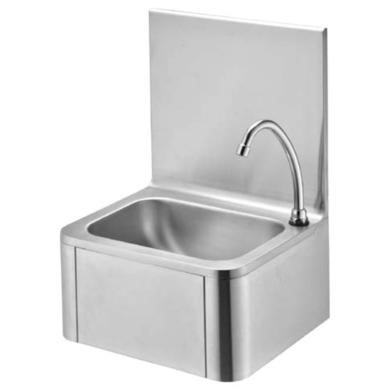
Food hygiene law requires food businesses to have enough hand washing facilities, with hot and cold running water, kept separate from sinks used for washing food or equipment. That usually means a dedicated hand wash basin in the kitchen, ideally knee or sensor operated so staff do not touch the tap.
Then plan a sink for washing equipment and, if you prep a lot of fruit and veg, a separate sink for food. A double bowl sink can cover washing and rinsing in one unit.
| Item | What to measure |
|---|---|
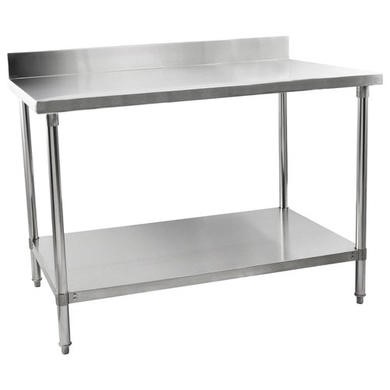
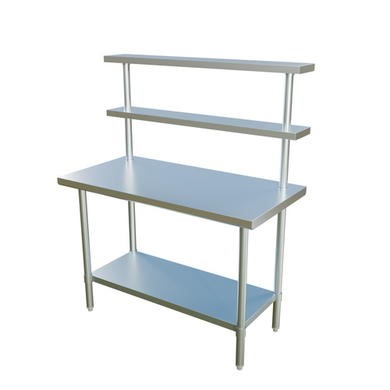
| Tables and prep stations | Length of wall, depth (600mm or 700mm are common) and whether you need an upstand against the wall |
| Sinks | Bowl size for your biggest pan, drainer side (left or right) and tap holes |
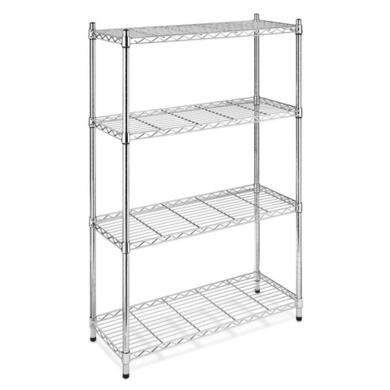
| Shelving | Height to the ceiling, shelf depth and the weight each shelf will carry |
| Equipment stands | The footprint of the oven, griddle or fryer it will hold |
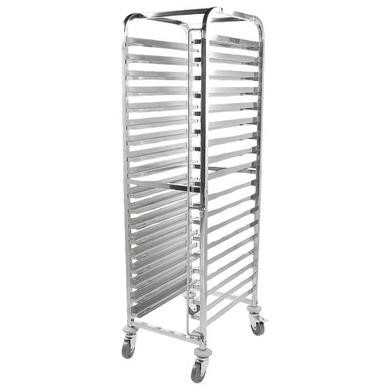
| Trolleys | Door widths and the number of Gastronorm pans or trays you move at once |
Yes. Food businesses must have hand washing facilities with hot and cold water that are separate from sinks used for food or equipment.
Grade 304 stainless steel is widely used in commercial kitchens because it resists corrosion well. The grade is listed in the product details, so check it before you buy.
Choose an upstand if the table goes against a wall. It stops food and liquid falling down the back and is easier to clean.
Many are delivered flat-packed and need simple assembly with the fixings supplied. Check the product page.




